Choosing the right small water heater can be challenging. With various options available, knowing what to look for is crucial. Industry expert John Smith, who has over 15 years of experience, notes, “A good small water heater should fit your lifestyle and needs.” This highlights the importance of understanding your specific requirements.
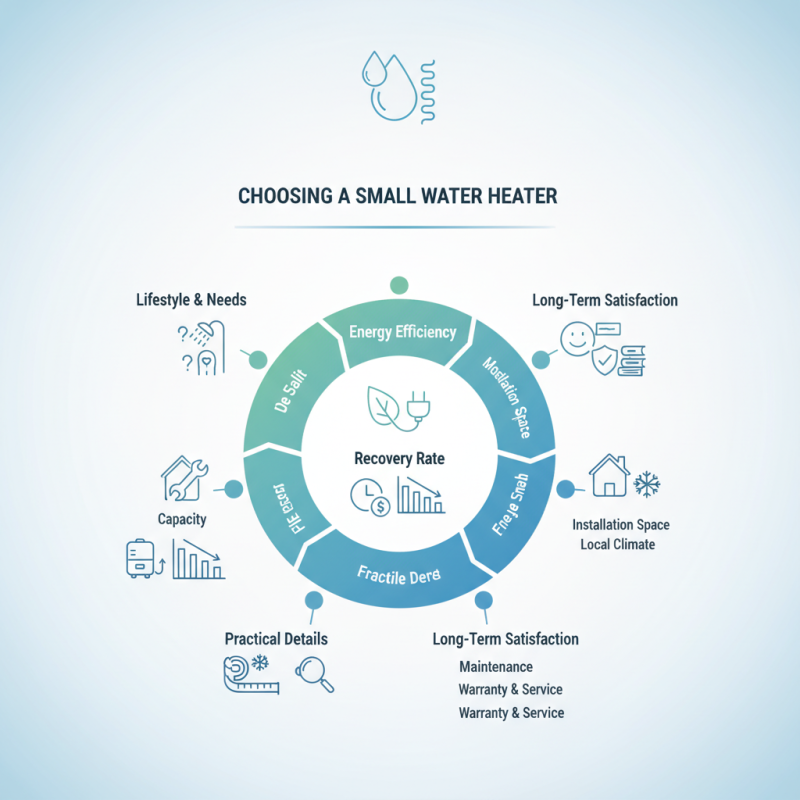
Many people overlook energy efficiency when selecting a small water heater. This oversight can lead to higher utility bills. It's essential to consider the unit's capacity, recovery rate, and energy consumption. Practical details, like installation space and local climate, also affect your choice.
When choosing a small water heater, think about maintenance. Regular checks can extend its lifespan. Evaluating warranty options and customer service is also worthwhile. While many products claim to be the best, some may not live up to expectations. Always do research before your final decision. Remember, a well-informed choice leads to long-term satisfaction with your small water heater.
When choosing a small water heater, it's essential to understand the different types available. The most common options are tankless, storage tank, and point-of-use water heaters. Tankless models heat water on demand. This design eliminates the need for storage, making it energy-efficient. According to the Department of Energy, tankless units can reduce energy consumption by up to 30%. However, their initial cost can be higher.
Storage tank heaters remain popular due to their affordability and ease of use. They store a set amount of hot water, usually between 20 to 80 gallons. The downside is that they can run out of hot water quickly during peak usage. A study by Consumer Reports indicates that approximately 70% of consumers choose storage tanks due to their lower upfront costs. Nonetheless, they may incur higher energy bills over time because they constantly keep the water heated.
Point-of-use heaters are designed for specific locations, such as under sinks or near appliances. These units provide hot water almost instantly. They are ideal for small spaces but may not support multiple outlets simultaneously. However, it's crucial to be aware that while they save space, they can lead to inefficiencies, especially in larger homes. Balancing the advantages and drawbacks of each type can lead to better long-term outcomes.
: The common types are tankless, storage tank, and point-of-use heaters. Each has unique features and uses.
Tankless models heat water on demand, making them energy-efficient. They don’t require storage, saving space as well.
Storage tank heaters are affordable and easy to use. They store hot water, providing it when needed, but can run out quickly.
A heater with a capacity of 5 GPM is good for multiple fixtures. Units under 3 GPM may struggle with simultaneous use.
Recovery rate indicates how fast hot water replenishes. A higher rate means less waiting time during peak usage, enhancing comfort.
A clear budget helps narrow choices. Consider installation and maintenance costs, not just the initial purchase price.
Longer warranties indicate manufacturer confidence. Check what’s covered, including labor, for better long-term reliability.
Compare warranties between models. Sometimes, cheaper units offer better coverage, resulting in potential savings on repairs.
Analyze your household's hot water usage patterns. Many buyers make choices based solely on size or cost, leading to frustration.
Yes, consulting a plumbing expert can provide tailored advice. Many overlook important specifications, causing mismatched needs.
When choosing the best small water heater, it is essential to understand the various types available, such as tankless, point-of-use, and storage heaters. Evaluating key factors like heating capacity and recovery rate will help you select a model that meets your specific hot water needs. Additionally, considering energy efficiency ratings can lead to long-term savings on utility bills, making it a crucial factor in your decision-making process.
Furthermore, assessing the installation requirements and space availability in your home is vital, as it ensures the selected small water heater fits seamlessly into your existing setup. Lastly, analyzing your budget and warranty options will provide peace of mind and ensure you invest in a reliable product that will serve you well for years to come. By methodically examining these aspects, you can confidently choose a small water heater that meets your needs and enhances your home's comfort.

 Huayida