Choosing the best shower water heater is crucial for home comfort. A good heater ensures consistent hot water. It significantly enhances your showering experience. With various options available, making the right choice can be overwhelming.
Different types of shower water heaters exist, including tankless, storage, and heat pump models. Each type has its pros and cons. For instance, tankless heaters save space but may struggle with high demand. Moreover, understanding your household needs is vital. Do you need instant hot water for back-to-back showers? Consider your specific usage.
Budget is another factor to weigh. Expensive models often offer premium features. Cheaper options may lack efficiency. Balancing cost and function is tricky. Additionally, installation requirements vary across models, which can complicate decisions. Taking the time to explore your options is essential for any homeowner looking to enhance their bathroom experience.
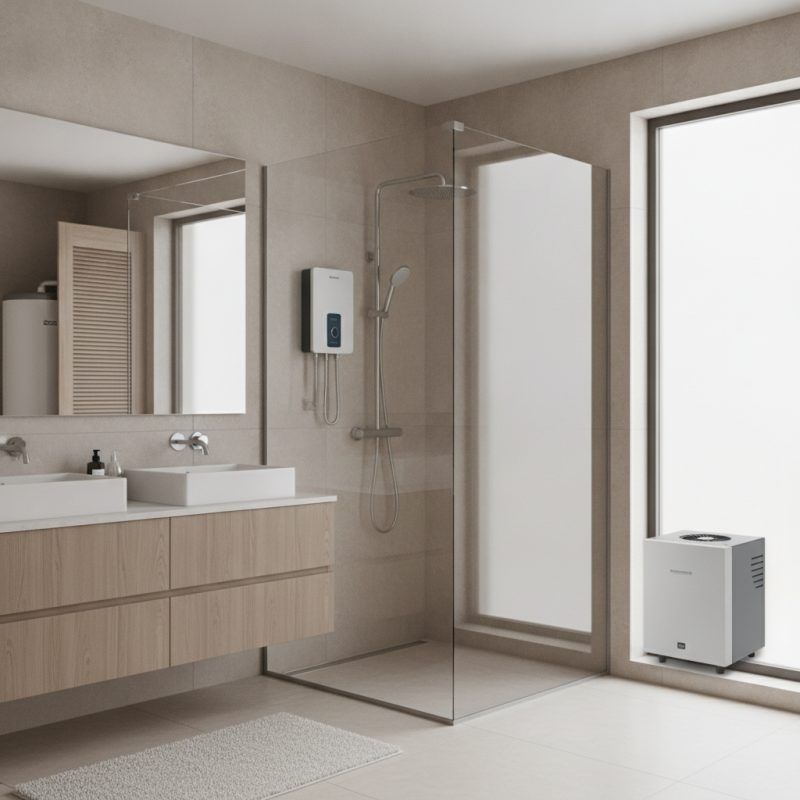
Choosing the right shower water heater involves understanding key factors that impact performance and efficiency. Energy efficiency ratings are crucial. The Department of Energy states that water heating accounts for nearly 18% of energy use in homes. Opt for heaters with high Energy Factor (EF) ratings. A higher EF means less energy consumption and lower utility bills.
Consider the heater's capacity. Smaller households may need 20 gallons, while larger ones often require up to 80 gallons. Demand-type heaters, also known as tankless water heaters, provide unlimited hot water and can be more efficient. However, they can struggle during peak demand times, especially in larger families.
Always account for installation costs. Professional installation can add significant expenses, which varies widely by region. Improper installation may lead to inefficiencies or even safety risks. Research local regulations and consult professionals to ensure compliance. Making informed choices can lead to long-lasting satisfaction. A little confusion in the selection process could result in unexpected costs later. This reflects the need for careful consideration at the outset.
When choosing a shower water heater, understanding the differences between electric and gas options is crucial. Electric shower water heaters are generally more compact. They are easy to install and connect to your existing electrical systems. They also tend to require less maintenance over time. However, they may struggle to provide consistent hot water during peak usage. This limitation can lead to some frustration.
Gas shower water heaters, on the other hand, typically deliver hot water faster and can support multiple outlets at once. They can be more efficient in larger households or during busy times. Nonetheless, they often have higher upfront costs and complex installation needs. There may also be safety concerns regarding gas leaks.
Budget, space, and hot water demand are key factors to consider. Both types have pros and cons. Understanding your specific needs will help you make a better choice. Ultimately, reflect on what works best for your living situation and family size.
| Feature | Electric Shower Water Heater | Gas Shower Water Heater |
|---|---|---|
| Installation Cost | Low to Moderate | Moderate to High |
| Energy Efficiency | High | Moderate |
| Heating Time | Instant | Instant |
| Water Supply Requirement | Requires electrical supply | Requires gas supply |
| Maintenance | Low | Moderate |
| Environmental Impact | Lower emissions | Higher emissions |
| Overall Cost of Ownership | Lower over time | Higher over time |
When choosing a shower water heater, energy efficiency ratings play a crucial role. The U.S. Department of Energy states that nearly 20% of household energy use goes towards heating water. Selecting a water heater with a high energy factor (EF) can significantly reduce this consumption. Products with high EF ratings use less energy to heat water quickly and efficiently, which translates to lower utility bills.
In recent reports, the Environmental Protection Agency indicates that energy-efficient water heaters can save homeowners around $300 annually. This figure is based on analyzing models rated with Energy Star certification. These products not only conserve energy but also help in reducing carbon footprints. However, it's essential to weigh factors like initial costs versus long-term savings. Higher-rated units may involve upfront expenses, and not all households see immediate payoffs.
While looking at energy efficiency, consider the heater's capacity and recovery rate. Some consumers may aim for lower energy usage but overlook their actual hot water needs. Choosing a unit that cannot meet demand can lead to discomfort and wasted resources. Balancing efficiency with performance demands thoughtful consideration. Investing in the right unit can ultimately enhance both comfort and sustainability.
When considering a shower water heater, the cost is a significant factor. The initial investment can range from a few hundred to several thousand dollars, depending on the type and efficiency of the unit. An electric tankless heater may cost around $1,500, while solar options could exceed $5,000. However, these upfront costs can be misleading when looking at long-term savings.
According to the U.S. Department of Energy, traditional water heaters can consume up to 20% of home energy. In contrast, energy-efficient models can save homeowners approximately $100 annually on utility bills. Over a typical lifespan of 10-15 years, these savings can offset initial costs significantly. A thorough analysis shows that while the upfront price is crucial, the lifetime savings could prove to be more beneficial.
Tips: Opt for a water heater with a high energy factor (EF) rating. An EF rating of 0.90 or above indicates high efficiency. Additionally, consider your home's peak usage times. Sizing your heater correctly can prevent wasted energy and reduce costs in the long run. Regular maintenance checks can also enhance efficiency and extend the unit's lifespan, reducing unexpected expenses.
When selecting a shower water heater, understanding flow rate and temperature rise requirements is crucial. Flow rate indicates the volume of water that the heater can deliver. A typical shower uses about 2.5 gallons per minute (GPM). If your household has multiple showers or faucets running simultaneously, you might need a unit with a higher flow rate.
Temperature rise is the difference between incoming water temperature and the desired shower temperature. For instance, if your cold water averages 50°F and you desire a shower at 105°F, you'll need a temperature rise of 55°F. According to industry data, electric heaters typically provide a rise of 30-50°F at standard flow rates. Gas heaters may achieve higher outputs, often allowing for quicker recovery times.
Tip: Calculate your household's peak demand by adding the GPM of all fixtures. This will help you choose a heater that meets your needs effectively.
When selecting a unit, consider energy efficiency ratings too. Sometimes, the most efficient models might have higher upfront costs. Balancing long-term savings against initial investments is essential. Reflect on your water usage habits. You might find that adjusting daily practices can impact your heater choice significantly.
: Key factors include energy efficiency ratings, capacity, installation costs, and heater types.
Water heating accounts for nearly 18% of home energy use. High Energy Factor ratings mean lower utility bills.
Smaller households may need 20 gallons, while larger ones often require up to 80 gallons.
Demand-type heaters provide unlimited hot water but may struggle during peak demand times.
Electric units are compact, easy to install, and require less maintenance. They may struggle during peak usage.
Gas heaters deliver hot water faster and can support multiple outlets simultaneously during busy times.
Initial investment ranges from a few hundred to several thousand dollars, depending on type and efficiency.
Energy-efficient models can save about $100 annually. Long-term savings can offset higher initial costs.
Regular checks can improve efficiency and extend the unit's lifespan, preventing unexpected expenses.
Installation expenses vary significantly by region and improper installation may lead to inefficiencies.
Choosing the best shower water heater involves several important factors. Firstly, one must consider whether to opt for an electric or gas heater, as each has its distinct advantages and disadvantages. Electric models tend to be more straightforward to install and maintain, while gas models can offer higher heating capacities. Energy efficiency ratings also play a crucial role in this decision-making process, as they indicate how effectively each system utilizes energy, impacting long-term operational costs.
Additionally, a detailed cost analysis should be conducted, weighing the initial investment against potential savings over time. Understanding the required flow rate and temperature rise is equally essential to ensure that the chosen shower water heater can meet your specific needs. Overall, taking these factors into account will help you make an informed decision for a reliable and efficient shower water heater.

Huayida