Choosing the best water heater for your house is crucial. An efficient water heater can significantly impact energy costs and comfort. According to the U.S. Department of Energy, water heating accounts for about 18% of a home's energy consumption. Selecting the right system can save you hundreds of dollars annually.
Many homeowners overlook water heater efficiency ratings. The Energy Factor (EF) measures performance and can guide your selection. In fact, a high-EF model can reduce energy bills by up to 30%. It's vital to consider your household's hot water needs, as a mismatched unit can lead to dissatisfaction. Understanding these aspects enhances your decision-making process.
Moreover, investing in a quality water heater can extend its lifespan. Many units last over a decade, offering reliability when properly maintained. However, cheaper models may require frequent replacements, increasing long-term costs. Choosing wisely ensures you strike a balance between initial investment and lasting value.
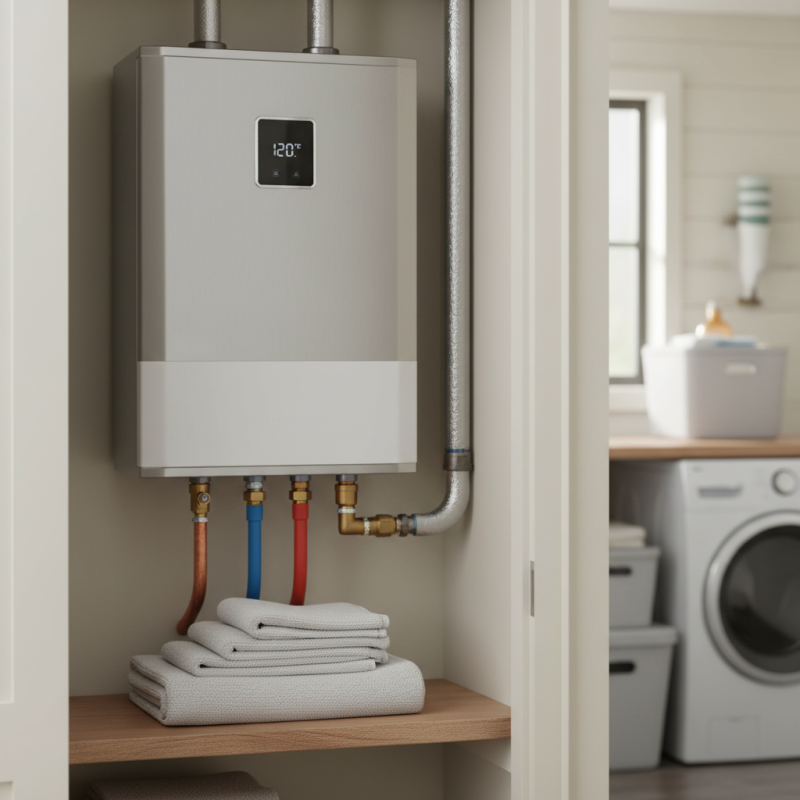
A reliable water heater is essential for modern homes. It provides comfort and convenience, ensuring hot water is available for daily needs. According to the U.S. Department of Energy, water heating accounts for about 14% to 18% of a household's energy use. This figure highlights the significance of selecting an efficient model.
An efficient water heater not only saves energy but also reduces utility bills. The Energy Star program states that using an energy-efficient model can save homeowners up to $350 annually. If your heater is old or performing inadequately, consider the hidden costs. An underperforming unit may lead to increased maintenance and repair expenses. Moreover, it can impact the efficiency of other appliances.
Choosing the right water heater involves understanding your household's needs. A family of four may require a different capacity than a single-person household. Underestimating these requirements can lead to insufficient hot water or wasted energy. Realizing this can drive a more informed decision, geared towards long-term savings and comfort.
When selecting a water heater, understanding the types available is crucial. Traditional tank water heaters are popular. They typically have a 30 to 80-gallon capacity. These systems deliver hot water on demand. However, they can consume a lot of energy, leading to higher bills. Reports suggest that homes can save 10-30% on energy costs by choosing more efficient models.
Tankless water heaters offer continuous hot water. They are compact and only heat water as needed. This efficiency can lead to significant savings over time. However, installation can be complex, and upfront costs are higher. It's essential to ensure your home's electrical or gas systems can support these units. Some studies show these systems can reduce energy use by up to 50%.
Heat pump water heaters utilize electricity to move heat rather than generate it. They are incredibly efficient but depend on ambient temperatures. In colder climates, their efficiency drops. Therefore, homeowners should assess local conditions before choosing this type. Each type of water heater has distinct advantages and drawbacks. Evaluating energy needs and costs will help make the best choice for your household.
When selecting a water heater for your home, several critical factors come into play. The type of heater you choose greatly affects your energy consumption and monthly bills. Tankless water heaters provide on-demand heat, while traditional tank heaters store and maintain a specific volume of hot water. Consider what best fits your family’s needs.
Installation space is another essential factor. Tank models require more room than tankless units. Make sure to measure the area where you plan to install the heater. Additionally, think about your home's current plumbing and electrical setup. Compatibility can save you time and money.
**Tips:** Always pay attention to energy efficiency ratings. A higher rating often translates to lower operational costs. It’s also wise to consider warranty options, as they can indicate the manufacturer's confidence in the product. Lastly, don’t overlook the importance of replacement parts availability. When water heaters break down, accessing parts quickly can save you from prolonged discomfort.
Choosing the best water heater for your home goes beyond just heating water. Energy efficiency plays a crucial role in reducing utility bills and environmental impact. Opting for an energy-efficient water heater can save you hundreds of dollars over time. It’s important to evaluate various types, including tankless and solar heaters, based on your household needs.
Tips for selecting an efficient model include checking the Energy Factor (EF) rating. Higher EF ratings indicate more efficient units. Look for heaters that use advanced insulation; this minimizes heat loss, particularly during standby time. Additionally, consider the size of the water heater. A model too large can waste energy by heating excess water.
Many homeowners overlook the long-term savings energy efficiency offers. While the upfront cost might be higher, the savings accumulate quickly. Reflecting on maintenance is also essential. Regular maintenance ensures your heater operates efficiently. A well-maintained unit can last longer and perform better, which affects your energy usage.
Choosing the right water heater is crucial for your home. It not only impacts comfort but also affects your wallet. Investing in a high-quality unit can lead to significant long-term cost savings. Many people underestimate this factor. A cheap water heater may save money upfront but could cost much more in the long run.
Energy efficiency is one of the key components to consider. An efficient water heater uses less energy overall. This translates to lower utility bills. After all, every dollar saved on monthly expenses adds up over time. Homeowners need to calculate these savings accurately. Sometimes, a more expensive model pays for itself within a few years.
Moreover, consider maintenance costs. High-quality models may require less frequent repairs. This reliability can also save money. You might think you are saving by choosing a cheaper option, but hidden costs can quickly add up. A thoughtful investment in the right water heater will lead to more stability and peace of mind. Just remember, sometimes spending a bit more initially leads to better outcomes later on.
| Water Heater Type | Initial Cost ($) | Lifespan (Years) | Annual Energy Cost ($) | Est. 10-Year Cost ($) |
|---|---|---|---|---|
| Conventional Tank | 800 | 10 | 400 | 4,800 |
| Tankless | 1,500 | 20 | 250 | 6,500 |
| Heat Pump | 1,200 | 15 | 300 | 6,600 |
| Solar | 3,000 | 25 | 100 | 3,000 |
: It provides comfort and convenience, ensuring hot water for daily needs.
Water heating accounts for about 14% to 18% of a household's energy use.
An energy-efficient model can save up to $350 annually on utility bills.
They should understand their household's hot water needs to avoid underestimations.
It reduces utility bills and has a positive impact on the environment.
A higher EF rating indicates a more efficient water heater, saving energy.
It ensures efficient operation, extending the life of the unit and reducing energy use.
It leads to significant savings on utility and maintenance costs over time.
Yes, hidden costs from repairs and inefficiency can quickly add up.
Many underestimate the importance of energy efficiency and long-term savings.
Choosing the best water heater for your house is crucial for both comfort and efficiency. A reliable water heater not only provides a steady supply of hot water but also contributes to energy savings over time. Understanding the different types of water heaters, each with their own pros and cons, is essential in making an informed decision. Factors such as installation space, heating methods, and energy sources play significant roles in the selection process.
Energy efficiency is another vital aspect to consider, as it directly impacts long-term operational costs. By investing in the right water heater for your house, you can achieve substantial cost savings while ensuring that your household's hot water needs are met consistently. Ultimately, a thoughtful approach to selecting a water heater can enhance your home’s functionality and reduce your overall energy expenditure.

Huayida