In today’s fast-paced world, comfort and convenience are priorities for many households. One electrical appliance that stands out in providing instant satisfaction is the Mini Water Heater. This compact device delivers hot water on demand, making it an invaluable addition to kitchens and bathrooms alike. With its sleek design, it can easily fit into small spaces, appealing to urban dwellers and those with limited room.
A Mini Water Heater is not just about saving space. It saves time and energy, heating water quickly and efficiently. Users often praise its ability to eliminate long waits for hot water, especially during busy mornings. However, while it promises convenience, not all mini water heaters are created equal. Selecting the right one requires careful consideration of factors such as capacity, heating speed, and energy efficiency.
Though many enjoy the benefits of a Mini Water Heater, some may overlook important aspects that could affect performance. Reviews indicate that some models may struggle with maintenance and durability over time. Therefore, potential buyers should approach their decision with caution, ensuring they choose a reliable option that meets their specific needs.
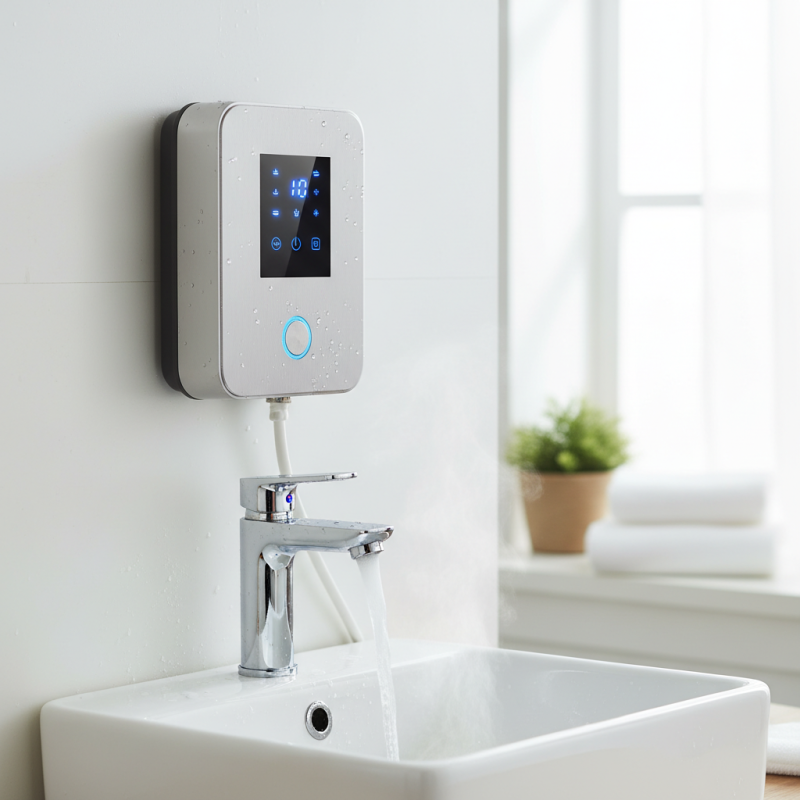
Introduction to Mini Water Heaters and Their Benefits
Mini water heaters have gained popularity for their efficiency and convenience. They provide hot water instantly, addressing the demand for prompt heating solutions. According to a report by the Department of Energy, water heating accounts for roughly 18% of household energy use. This statistic highlights the potential savings mini heaters can offer.
These compact devices are designed for small spaces and specific tasks. Their ability to heat water on demand means they can significantly reduce standby energy loss, which is common in traditional tank heaters. Consumer reports indicate that homes using mini water heaters can lower energy bills by up to 30%. However, there are considerations to keep in mind, like the specific flow rates and heating capabilities of various models, which can vary widely.
One must also reflect on the installation process. While many mini water heaters are user-friendly, some may require professional installation. This can lead to additional costs that negate savings. Ensuring proper sizing and installation is vital for optimal performance. So, while mini water heaters offer great benefits, a careful evaluation of needs and options is essential for making an informed decision.
Types of Mini Water Heaters for Instant Hot Water Solutions
Mini water heaters are becoming popular for instant hot water solutions. They provide on-demand hot water without the need for large storage tanks. The most common types are point-of-use heaters and portable models. Point-of-use heaters are installed directly at the tap, which reduces wait times for hot water and minimizes heat loss in piping. These types can save users energy and enhance efficiency. According to a report by the U.S. Department of Energy, homeowners can save up to 20% on water heating costs with point-of-use solutions.
Portable mini water heaters are designed for various applications, from camping to home use. They typically heat water fast, offering convenience for various activities. Some models feature adjustable temperature settings, allowing users to customize water heat levels to their needs. However, their energy efficiency may vary based on usage patterns. Ideal for spaces lacking centralized water heating systems, these units provide flexibility but come with limitations in capacity. A study by the International Energy Agency indicates that portable heaters can consume significantly more energy if not used wisely, which raises concerns about their overall sustainability.
While mini water heaters present efficient solutions, they aren't without challenges. Users must consider installation requirements, as improper setups can lead to leaks. Regular maintenance is essential to ensure longevity. Despite their advantages, it's crucial to research and assess personal needs before diving into a purchase. The variety in models and types means there's much to explore in making an informed decision.
Key Features to Consider When Choosing a Mini Water Heater
When selecting a mini water heater, consider its efficiency. According to the U.S. Department of Energy, water heating accounts for about 18% of energy consumption in homes. A mini water heater can be a smart choice, providing hot water on demand while reducing energy waste. Look for models with a high Energy Factor (EF) rating. An EF of 0.90 or higher indicates better efficiency.
Another important feature is the recovery rate. This rate indicates how quickly a water heater can supply hot water. A higher recovery rate means less waiting time. For example, a mini water heater that offers 3-4 gallons per minute can serve small households efficiently. Check the storage capacity as well. Even compact models can offer enough hot water for various needs.
Lastly, installation requirements should not be overlooked. Some mini water heaters need professional installation, which adds to costs. Be aware of the space available in your home. Measurement is crucial to ensure a proper fit. Evaluate your options carefully and calculate total costs, including maintenance. This helps identify the best long-term solution for instant hot water.
Installation and Maintenance Tips for Mini Water Heaters
When installing a mini water heater, it’s essential to follow safety protocols. Ensure that the heater is placed away from flammable materials. A dedicated electrical circuit is often necessary. Improper installation can lead to overheating and damage. Always check local building codes before starting.
Regular maintenance is crucial for efficiency. This includes flushing the tank every six months to remove sediment. Keep an eye on the temperature setting; it should be around 120°F to prevent scalding yet remain efficient. Inspect the pressure relief valve regularly. Failure to do so can result in a safety hazard.
Don’t forget about leaks. Small drips can lead to significant problems over time. Use a water meter to monitor unusually high usage. It may signal a leak inside or outside the heater. Remember, addressing these issues early can save you time and money later.
Comparative Analysis of Top Mini Water Heater Brands and Models
In the quest for instant hot water solutions, mini water heaters have gained popularity. Reports indicate that their demand has surged by over 30% in the last five years. This trend is primarily attributed to the need for energy-efficient appliances that provide on-demand hot water without the bulkiness of traditional systems.
A comparative analysis of various models shows that performance can vary significantly. For instance, while some units heat water in less than 10 seconds, others can take up to 30 seconds. Energy efficiency ratings are also crucial. Top models often showcase an efficiency rate exceeding 90%, which translates into lower utility bills. However, not all units meet these standards consistently.
Consumer feedback highlights a recurring issue: longevity. Many users report that cheaper models fail after just a year of use, while higher-end versions often last up to five years or more. This disparity in durability calls for careful consideration when selecting a mini heater. Moreover, installation complexity can differ; some require professional setup, adding to the overall cost.
FAQS
: Mini water heaters are compact devices that provide hot water instantly for small spaces and specific tasks.
They reduce standby energy loss by heating water on demand, potentially lowering energy bills by up to 30%.
Look for models with a high Energy Factor (EF) rating, ideally 0.90 or higher for better efficiency.
Recovery rate is crucial. A higher rate means less waiting time for hot water, enhancing user convenience.
Some models need professional installation. It's essential to consider this extra cost when assessing your options.
Consider the flow rate, size, energy efficiency, and installation requirements to ensure the best fit for your needs.
Longevity varies; cheaper models may fail in a year, while quality units can last five years or more.
Yes, improper sizing or installation can lead to inefficiencies and negate potential savings. Careful evaluation is vital.
Even compact models can efficiently deliver enough hot water for small households, usually around 3-4 gallons per minute.
No, efficiency varies significantly among models. Check energy ratings and consumer reviews to find reliable options.
Conclusion
Mini water heaters are compact devices designed to provide instant hot water solutions, making them an excellent choice for homes and businesses with limited space. They offer numerous benefits, including energy efficiency, convenience, and the ability to supply hot water on demand, which can significantly reduce wait times and increase comfort.
When selecting a mini water heater, it's important to consider several key features such as capacity, energy source, and installation requirements. There are various types available, including tankless and point-of-use models, each suited for different needs. Proper installation and maintenance are crucial to ensure optimal performance and longevity of the unit. By comparing the top models available on the market, consumers can make informed decisions that best fit their requirements for efficient hot water solutions.

 Huayida